Solusi Komunikasi FPV Serat Optik Lengkap untuk Kontrol UAV Ultra-Long-Distance
Pengantar
FPV (First-Person View) drone telah menjadi alat penting dalam industri seperti:
Sebagian besar drone FPV mengirimkan sinyal video dan kontrol menggunakan komunikasi frekuensi radio (RF).
Namun, sistem berbasis RF sering menghadapi keterbatasan yang signifikan, termasuk:
Untuk mengatasi tantangan ini, solusi baru telah muncul:Sistem Fiber Optic Terikat Drone.
Dengan mengintegrasikan modul komunikasi serat optik, kabel optik yang diperkuat Kevlar, slip ring, dan sistem penggulung serat bermotor, drone dapat mencapai jarak jauh, bebas gangguan,komunikasi real-time antara pesawat terbang dan stasiun kontrol darat.
Teknologi ini memungkinkan transmisi video yang stabil dan tautan kontrol yang aman selama puluhan kilometer, membuka kemungkinan baru untuk aplikasi UAV profesional.

1Apa itu FPV Fiber Optic Drone?
Fiber Optic FPV Drone adalah kendaraan udara tak berawak yang mengirimkan sinyal video dan kontrol melalui kabel serat optik alih-alih hanya mengandalkan sinyal RF nirkabel.
Sistem ini menghubungkan drone ke stasiun darat menggunakan kabel serat optik ringan, menciptakan tautan komunikasi fisik langsung.
Tidak seperti komunikasi RF, serat optik mengirimkan data menggunakan sinyal cahaya, yang menawarkan beberapa keuntungan utama:
- Zero interferensi elektromagnetik (EMI)
- Transmisi sinyal yang sangat stabil
- Kemampuan komunikasi jarak jauh
- Keamanan tinggi dan ketahanan terhadap gangguan
- Umpan balik video waktu nyata latensi rendah
Dengan modul optik modern, drone dapat mencapai jarak komunikasi stabil hingga 80 km, jauh melampaui batas sistem RF FPV tradisional.
2. Komponen apa yang membentuk Fiber Optic Drone System?
Sistem Drone Fiber Optic Tethered yang lengkap biasanya mencakup beberapa komponen kunci yang bekerja sama untuk memastikan komunikasi penerbangan yang stabil.
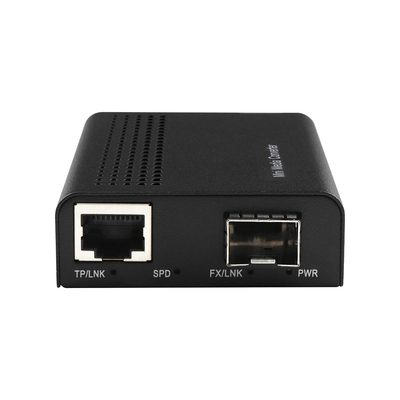
2.1 Sky-End Fiber Optic Module (Drone Side)
Sky-End Optical Module dipasang langsung di drone.
Ini terhubung ke elektronik internal drone dan mengubah sinyal listrik menjadi sinyal optik.
Koneksi khas meliputi:
AV port → Analog FPV kamera video output
RX / TX → Komunikasi pengontrol penerbangan (CRSF / TTL)
VCC / GND → Sumber daya drone
Modul mengubah:
FPV sinyal video
data kontrol penerbangan
ke sinyal optik yang dikirim melalui kabel serat.
Modul optik kompak biasanya memiliki:
ukuran sekitar 50 × 29 × 13 mm
Konsumsi daya <5W
input tegangan lebar (kompatibel dengan baterai 2S6S)
Hal ini memastikan dampak minimal pada berat drone dan waktu penerbangan.
2.2 Kabel Serat Optik Diperkuat Kevlar
Drone terhubung ke sistem darat menggunakan kabel serat optik Kevlar yang diperkuat.
Fitur utama meliputi:
- Penguatan benang Kevlar untuk kekuatan tarik yang tinggi
- konstruksi ringan yang cocok untuk penerbangan UAV
- serat optik mode tunggal (G657A2)
- diameter kabel sekitar 1,2 mm
Struktur Kevlar melindungi serat sambil mempertahankan fleksibilitas dan daya tahan selama gerakan drone.
2.3 Fiber Optic Slip Ring (Rotary Joint)
Karena kabel drone terus-menerus membuka dan memutar kembali selama operasi, cincin slip serat optik digunakan di dalam sistem.
Cincin slip memungkinkan:
- 360° rotasi terus menerus
- Transmisi sinyal optik tanpa gangguan
- mencegah penyimpangan atau kerusakan serat
Komponen ini memastikan bahwa kabel serat dapat berputar bebas sambil mempertahankan tautan komunikasi yang stabil.
2.4 Sistem Pengelompokan Serat Bermotor
Sistem penggulung serat bermotor mengelola penyebaran dan pengambilan kabel serat.
Sistem ini biasanya mencakup:
- motor penggerak torsi tinggi
- Sistem kontrol tegangan
- mekanisme penggulungan dan penggulungan otomatis
Kontrol ketegangan mencegah tekanan berlebihan pada kabel saat drone bergerak.
Hal ini memungkinkan tali serat tetap stabil dan terlindungi sepanjang penerbangan.
2.5 Fiber Optic Barrel / Reel
Kabel serat disimpan pada tong serat optik atau gulungan.
Komponen ini memungkinkan:
- penyimpanan kabel kompak
- penyebaran serat yang halus
- Kapasitas kabel jarak jauh
Tergantung pada konfigurasi, sistem dapat mendukung panjang serat hingga 40 km atau lebih.
2.6 Modul Serat Optik Land-End
Di sisi tanah, modul optik Ground-End mengubah sinyal optik kembali menjadi sinyal listrik.
Ini biasanya menyediakan:
Output AV → untuk monitor atau sistem DVR
Komunikasi RX/TX → terhubung ke penerima remote controller
Modul ini memastikan operator menerima data video dan kontrol real-time dari drone.
2.7 Stasiun Pengendalian Tanah
Komponen terakhir adalah Stasiun Kontrol Ground, di mana operator memantau dan mengontrol drone.
Stasiun darat biasanya mencakup:
- monitor tampilan
- remote control drone
- Sistem penerimaan dan pemrosesan data
Di sini, sinyal optik dikonversi kembali menjadi output video dan sinyal kontrol, memungkinkan operator untuk melihat persis apa yang dilihat drone secara real time.
3Apa Keuntungan Komunikasi Drone Serat Optik?
3.1 Jarak transmisi ultra-panjang
Komunikasi serat optik memungkinkan jarak kontrol yang sangat panjang, jauh melampaui sistem berbasis RF.
Jangkauan khas meliputi:
20 km
40 km
60 km
Kapasitas transmisi hingga 80 km
3.2 Zero Interferensi Elektromagnetik
Tidak seperti sistem nirkabel, serat optik benar-benar kebal terhadap:
- gangguan RF
- kebisingan elektromagnetik
- kemacetan sinyal
Hal ini membuat drone serat ideal untuk lingkungan seperti:
- pembangkit listrik
- zona industri
- wilayah militer
3.3 Kemampuan keamanan dan anti-jamming yang tinggi
Karena komunikasi terjadi melalui tautan serat fisik daripada gelombang radio siaran, sistem drone serat optik menawarkan:
- kinerja anti-jamming yang kuat
- Kemungkinan intersepsi yang rendah
- Transmisi data yang sangat aman
3.4 Transmisi Video Real-Time yang Stabil
Komunikasi serat optik menyediakan:
- latensi yang sangat rendah
- Transmisi video analog yang stabil
- Kualitas sinyal tanpa kehilangan pada jarak jauh
Hal ini penting untuk operasi drone presisi dan navigasi FPV.
3.5 Integrasi yang mudah dengan sistem FPV yang ada
Modul UAV serat optik modern mendukung antarmuka drone umum seperti:
- Protokol Crossfire CRSF
- Komunikasi serial TTL
- output video FPV analog
Ini membuat integrasi dengan platform drone yang ada mudah.
4Aplikasi apa yang menggunakan FPV Fiber Optic Drone System?
Sistem drone serat optik banyak digunakan dalam skenario profesional dan misi kritis.
4.1 Pengawasan Perbatasan
Pemantauan perbatasan atau garis pantai yang panjang membutuhkan komunikasi jarak jauh yang dapat diandalkan tanpa gangguan RF.
Drone serat memberikan pengawasan real-time yang stabil di area yang luas.
4.2 Inspeksi infrastruktur
Drone serat optik sangat ideal untuk memeriksa:
- jalur transmisi listrik
- pipa minyak dan gas
- kereta api
- menara komunikasi
Lingkungan ini sering mengandung gangguan elektromagnetik berat di mana komunikasi RF tidak dapat diandalkan.
4.3 Pemantauan dan Pemetaan Lingkungan
Survei geologi dan pemantauan lingkungan membutuhkan transmisi data jarak jauh yang stabil, yang dapat disediakan oleh sistem serat optik.
4.4 Tanggapan darurat dan manajemen bencana
Dalam situasi darurat, drone serat optik memungkinkan:
- komunikasi yang aman
- umpan video tanpa gangguan
- kontrol yang dapat diandalkan di lingkungan yang kompleks.
4.5 Misi Pertahanan dan Taktis
Untuk aplikasi militer dan penegak hukum, drone serat optik menawarkan:
- komunikasi anti-jamming
- deteksi sinyal yang rendah
- operasi jarak jauh yang andal.
5Mengapa Sistem Drone yang Terikat Serat Optik Adalah Masa Depan?
Sistem komunikasi UAV serat optik mewakili evolusi besar dalam teknologi drone.
Dengan menggabungkan:
- modul transmisi serat optik
- Kabel pengikat yang diperkuat dengan Kevlar
- sendi putar slip ring
- Sistem penggulung bermotor
- stasiun kontrol darat
Sistem ini menyediakan infrastruktur komunikasi yang lengkap dan handal untuk operasi UAV.
Dibandingkan dengan drone RF tradisional, sistem serat optik memberikan:
- jarak komunikasi yang lebih panjang
- stabilitas transmisi yang lebih tinggi
- keamanan yang lebih baik
- ketahanan terhadap gangguan dan gangguan
Karena industri semakin menuntut komunikasi drone yang stabil, jarak jauh, dan aman, sistem FPV serat optik menjadi teknologi kunci untuk operasi UAV generasi berikutnya.


 Pesan Anda harus antara 20-3.000 karakter!